


Sep
2025 European E-Cigarette Market Shakeup: Disposable Vapes on the Decline
2025 European E-Cigarette Market Shakeup: Disposable Vapes on the Decline
As 2025 unfolds, the European e-cigarette market is experiencing a significant transformation. Driven by stricter public health policies and increasing regulation on tobacco-related products, disposable e-cigarettes are gradually disappearing from shelves. At the same time, reusable and pod-based alternatives are gaining traction, signaling a new era for the vaping industry.
The debate over whether disposable e-cigarettes will completely exit Europe is more than a market question. It touches on public health, environmental responsibility, and regulatory effectiveness. This quiet revolution in the vaping sector marks the beginning of a new chapter emphasizing health, sustainability, and corporate responsibility.
Health and Environmental Concerns of Disposable E-Cigarettes
Over the past few years, disposable e-cigarettes have grown rapidly in popularity across Europe. While these products avoid the tar and carbon monoxide found in traditional cigarettes, most still contain addictive nicotine, which can harm vascular and pulmonary health. This raises serious concerns over long-term effects, particularly for younger users.
Environmental impact is another pressing issue. Disposable e-cigarettes are predominantly made of plastics, chemical components, and non-rechargeable batteries. Once used, these devices often end up in landfills, contributing to environmental pollution. The challenges of recycling embedded batteries and electronic components exacerbate the problem.
Additionally, attractive packaging and a wide variety of flavors have drawn the attention of minors. Curiosity-driven experimentation among youth can lead to early nicotine addiction, affecting both physical and mental development. Studies by the World Health Organization in 2022, surveying 20,000 Belgian adolescents aged 11–18, found that 12% had used an e-cigarette in the past 30 days—a figure double that of 2018. WHO Source

Regulatory Crackdown Across Europe
European countries are taking strong action to address these concerns. Belgium was the first EU nation to ban the sale and use of disposable e-cigarettes, effective January 1, 2025. The Belgian Ministry of Health cited the presence of “dangerous chemicals” in low-cost disposable vapes, posing risks to both public health and the environment. Belgium Health Ministry Announcement
Germany and France are implementing similar regulations. In Germany, heavy taxation on vape liquids and a revised Electrical and Electronic Equipment Act require retailers to participate in mandatory collection programs for disposable devices starting mid-2026. Failure to comply may lead to complete bans at the point of sale. France has also introduced legislation targeting flavored disposable e-cigarettes to reduce youth appeal.
Other countries, including Russia and Portugal, have restricted flavored additives and banned flavored tobacco products, creating an uncertain market outlook for disposable vapes across the continent.

Decline of Disposable E-Cigarettes in Market Share
Industry data show a marked decline in disposable e-cigarette popularity. According to the German Smoke-Free Tobacco Enjoyment Alliance (BfTG), disposable products accounted for 30% of Germany’s e-cigarette market in 2023, down 10 percentage points from 2022. This trend reflects increasing consumer awareness of environmental and health risks, as well as the higher compliance costs imposed by regulators. BfTG Report
Disposable devices’ single-use nature, particularly the challenge of recycling batteries and internal components, has led to widespread criticism from environmental advocates. Consumers increasingly prefer reusable devices or pod systems, which offer longer usage cycles and reduced waste.
The Rise of Pod and Reusable Systems
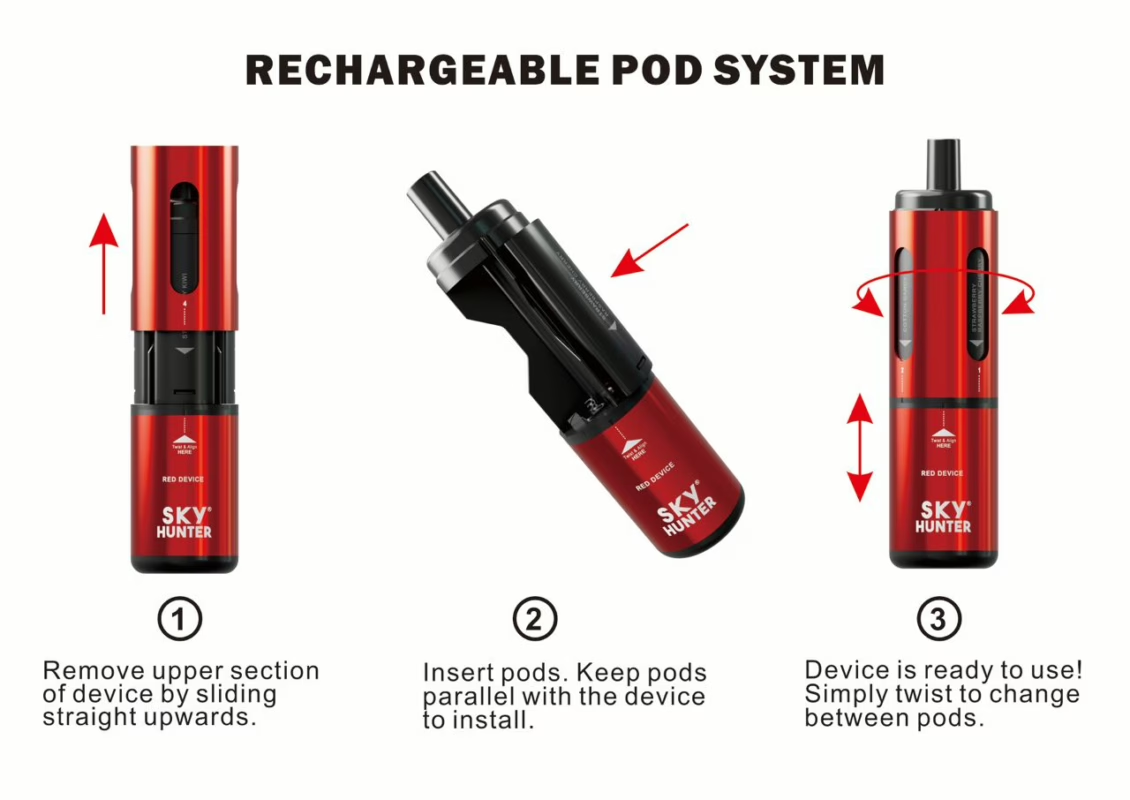
As disposable e-cigarettes face bans, the market for reusable devices and refillable pods is expanding. These systems allow for longer product lifespans, lower environmental impact, and more precise control over nicotine intake. Many European vape exhibitions now showcase pod-based systems instead of disposable devices, reflecting both regulatory pressures and consumer demand for sustainable solutions. Learn more about pod systems
The shift towards reusable products is not only a market trend but also a response to environmental responsibilities and health concerns. Companies that innovate in safety, battery efficiency, and refill options are likely to lead the European market in the coming years.
Future Outlook
Looking ahead, the European e-cigarette industry is poised for a transformation. Disposable vapes, once a staple, are declining due to regulatory measures, environmental awareness, and evolving consumer preferences. Pod-based and refillable systems will dominate, emphasizing sustainability, safety, and customization.
Manufacturers must adapt to stricter compliance standards, ensure product safety, and develop innovative solutions that meet consumer expectations. The evolving landscape offers opportunities for companies that prioritize quality, environmental stewardship, and adherence to emerging regulations.
The 2025 shift in Europe demonstrates that public health policies, environmental advocacy, and technological innovation are reshaping the vaping industry. For consumers, the focus is now on safer, sustainable alternatives. For the industry, it is a time to rethink product strategy and embrace innovation to thrive in a changing regulatory environment.
External Links
- WHO E-Cigarette Factsheet
- Belgium Health Ministry Announcement
- BfTG Report on German E-Cigarette Market
Leave a Reply
You must be logged in to post a comment.