


POST
📢 Mexico Enacts Nationwide Ban on E-Cigarettes and Vapes, Commercial Violations Face Prison Terms

Dec
Mexico Bans E-Cigarettes & Vapes Nationwide: Full Policy Breakdown
📢 Mexico Enacts Nationwide Ban on E-Cigarettes and Vapes, Commercial Violations Face Prison Terms
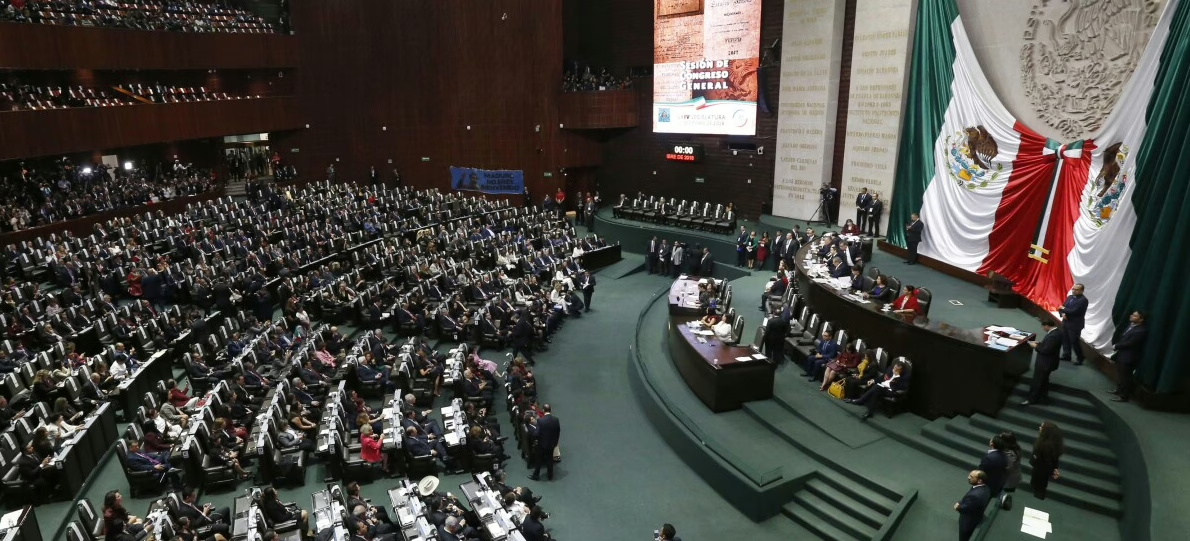
Mexico City, December 2025 — The Mexican Congress has recently passed a landmark legal reform that imposes a nationwide ban on all commercial activities involving e-cigarettes and vape products. This move has drawn widespread attention both domestically and internationally. (Reuters)
The government views this reform as a crucial step to “strengthen public health protections,” while critics warn it could create new problems, including the growth of illegal markets and the erosion of consumer rights.
🧾 Policy Overview: What is Prohibited and What Are the Penalties?
According to the new legislation, the Mexican government has imposed a comprehensive ban on e-cigarettes, vape devices, and related products, covering the following aspects:
🚫 Specific Prohibitions
- Manufacturing: No individual or company is allowed to produce e-cigarettes or vape devices within Mexico. (Wired)
- Import and Export: Bringing these products into or out of the country through customs is prohibited. (Mexico Business News)
- Distribution and Sales: Any form of commercial sale, distribution, or supply of vape devices and e-cigarettes is banned. (Wired)
- Advertising and Promotion: All marketing and promotional activities targeting consumers are prohibited. (Mexico Business News)
📜 Penalties
Violations of these regulations may face severe legal consequences:
- 1–8 years of imprisonment
- Fines: Up to approximately MXN 226,000 (≈ USD 12,500)
📌 Notably, the law primarily targets commercial activities, and personal possession or use by consumers is generally not subject to criminal prosecution. (Wired)
🏛️ Government Position: Why Take Such Strict Measures?
📍 Health Risks and Public Safety
Official reports highlight that e-cigarettes and vapes contain numerous chemical compounds that may pose health risks, including high nicotine levels and trace metals. (Mexican Congress Report)
Officials emphasize that the increasing popularity of vaping among teenagers and young adults necessitates preventive measures to avoid a future public health burden.
📍 Protecting Minors
The government also warns that these products are often perceived as “harmless” or as “smoking alternatives,” which can lead to addiction among youth. The ban aligns with Mexico’s broader goals of tobacco harm reduction and youth protection. (Mexican Congress Report)
🗣️ Opposition Views: What Are the Concerns?
⚠️ 1. Growth of the Illegal Market
Opponents argue that outright prohibition often eliminates legal channels without reducing demand, thereby encouraging black market activity and reducing quality oversight. (Wired)
⚠️ 2. Impact on Consumer Rights
Critics also note that criminalizing commercial activity broadly may put ordinary businesses and small retailers at a disadvantage, while achieving the goal of public health protection might be more effective through targeted regulation and education. (Expansion Politica)
📊 Potential Impact on the Vape Industry and Users
💼 Industry Perspective
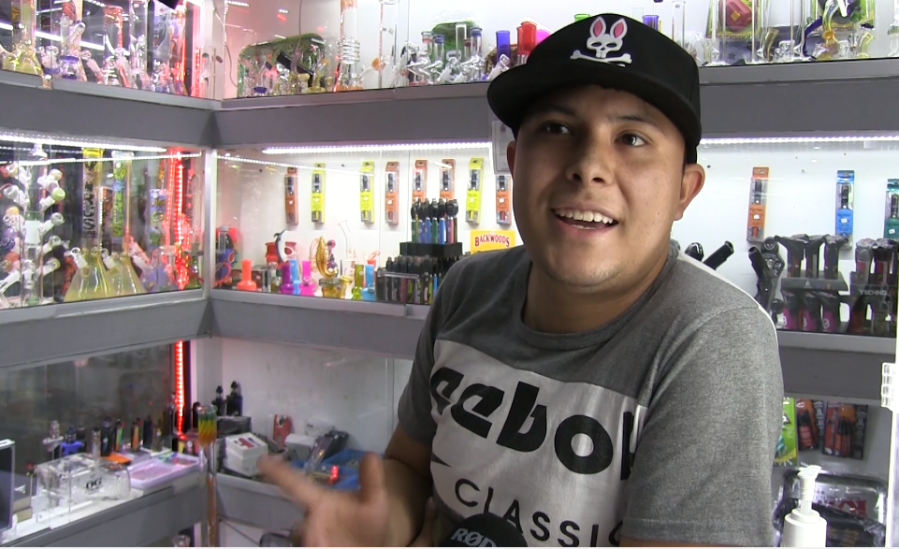
- Shrinking Legal Market: Domestic production and sales channels will rapidly decline or be forced out.
- Reduced Foreign Investment: International brands may reconsider their presence in the Latin American market.
- Economic Effects: Jobs and tax revenue associated with distribution and retail could be negatively impacted.
👥 User Perspective
- Limited Access: Enthusiasts and existing users may turn to black market or cross-border purchases.
- Health Risks: Unregulated black market products often contain riskier ingredients.
- Persistent Demand: Despite strict laws, consumer demand is unlikely to disappear in the short term. (Global Media MX)
📌 Conclusion
Mexico’s nationwide ban on e-cigarettes and vapes represents an aggressive measure aimed at protecting public health. It seeks to curb product sales and circulation through strict legal penalties, primarily targeting commercial actors.
However, the ban also presents real challenges, including:
- Potential growth of illegal markets
- Negative effects on industry employment and the economy
- Consumers facing riskier alternatives
This debate over public health protection vs. reasonable regulation and personal choice is expected to continue among policymakers, industry participants, and the general public.
Leave a Reply
You must be logged in to post a comment.