

POST
Why Do Air Bubbles Appear in E-Liquid? A Technical Overview for Vapers
Nov
Why Air Bubbles Form in E-Liquid: A Professional Technical Guide for Vapers
Air bubbles inside vape tanks or pods are a common sight, yet many vapers do not fully understand why they occur. This guide explains the scientific, mechanical, and usage-related factors behind bubble formation, helping users distinguish between normal behavior and potential device issues.
1. Understanding the System: How E-Liquid Behaves in a Vape Device
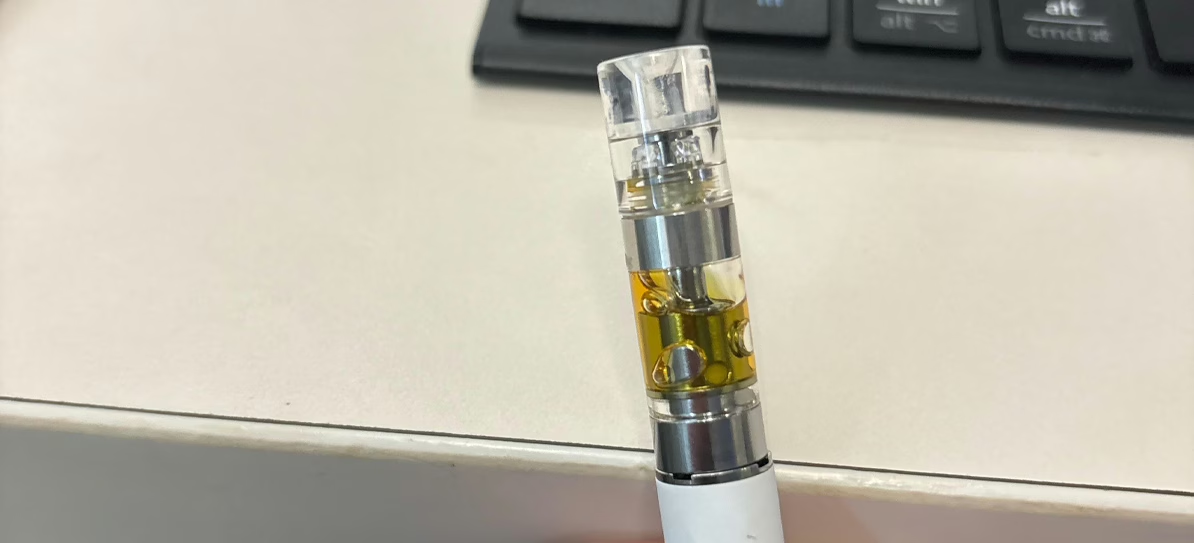
A vaping device consists of a tank or pod, a coil, a wick, and airflow pathways. E-liquid, typically made of Propylene Glycol (PG) and Vegetable Glycerin (VG), reacts to heat, pressure, and wicking activity. These interactions naturally produce air bubbles under certain conditions.
2. Normal Causes of Air Bubbles in E-Liquid
2.1 Wicking Activity (Healthy Bubbles)
When the coil vaporizes e-liquid, the wick pulls in more liquid, forcing air out and creating small bubbles. These indicate proper wicking function and normal device operation.
2.2 Fast Refilling and Trapped Air
Refilling the tank too quickly can trap air inside the reservoir. These bubbles typically rise to the surface and disappear without affecting performance.
2.3 Temperature and Pressure Changes
E-liquid expands when exposed to heat and contracts when cooled. These fluctuations can cause air pockets to form, particularly during environmental changes such as hot weather, altitude shifts, or air travel.
3. When Bubbles Signal Potential Problems
3.1 Large, Persistent Bubbles Near the Wick
Large bubbles that cling to the wick ports can block e-liquid absorption, resulting in dry hits, burnt taste, or inconsistent vapor output. This may indicate slow wicking or high-viscosity e-liquid.
3.2 Coil Flooding and Gurgling
If too much e-liquid reaches the coil, users may hear gurgling or bubbling while inhaling. This is often caused by overfilling, a loose coil, or pulling too hard during puffs.
3.3 Faulty Seals or Tank Integrity Issues
Damaged O-rings or loosened tank components can disrupt pressure balance, causing irregular bubble patterns, leaking, or flavor inconsistency.
3.4 E-Liquid Viscosity Mismatch
High-VG e-liquid, being thicker, can trap air in coils designed for thinner blends. This slows wicking and increases bubble formation around the cotton ports.
4. How to Prevent or Fix Bubble-Related Issues
4.1 Refill Slowly and Leave Space at the Top
Pouring gently along the tank wall prevents trapped air. Leave a small headspace to allow proper pressure balancing.
4.2 Prime Coils Before Use
Applying several drops of e-liquid directly to the coil cotton ensures fast saturation and reduces trapped air pockets.
4.3 Match E-Liquid Viscosity to the Coil Design
Use high-VG only with large-port coils and thinner liquids for tight-wicking designs. Proper pairing improves flow and reduces bubble retention.
4.4 Avoid Hard or Rapid Chain Inhaling
Aggressive puffs create a vacuum that leads to flooding or inconsistent wicking. Smooth, steady inhales maintain system stability.
4.5 Check for Seal and Component Issues
Inspect O-rings, coil threads, and fill ports regularly. A secure, tight system minimizes air disruption.
4.6 Allow Bubbles to Settle After Refilling
After filling, let the device rest briefly. Light tapping helps trapped bubbles escape naturally.
5. Conclusion
Most air bubbles in e-liquid are normal and signal healthy wicking activity. However, unusual bubble patterns—especially large, persistent ones—can indicate problems such as poor wicking, coil flooding, damaged seals, or viscosity mismatch. Understanding these signs helps maintain smooth, consistent performance and extends coil lifespan.
FAQ
Are small bubbles after each puff normal?
Yes. They indicate proper wicking.
Why do large bubbles stay stuck at the bottom?
They may signal slow wicking or thick e-liquid not suited for the coil.
Does bubbling cause leaking?
Sometimes. If caused by flooding or pressure imbalance, leaking may occur.
Can tapping the tank help?
A gentle tap can free trapped bubbles. Shaking is not recommended.
Is bubbling sound during inhalation normal?
Gurgling often means the coil is flooded and may need maintenance.
Leave a Reply
You must be logged in to post a comment.