


Unkategorisiert
When AI Agents Enter the Vape Industry: What Will E-Cigarettes Become?
März
When AI Agents Enter the Vape Industry: What Will E-Cigarettes Become?
Over the past decade, innovation in the e-cigarette industry has largely focused on hardware engineering, flavor development, and distribution channels. Manufacturers competed by making devices smaller, improving atomization technology, expanding flavor options, and building wider retail networks.
However, a new technological wave may be approaching. If advanced AI agents begin integrating into vape devices and industry infrastructure, e-cigarettes may evolve beyond simple consumer electronics. They could transform into intelligent nicotine devices capable of understanding user behavior.
Such a shift would fundamentally change the industry’s competitive landscape. Instead of competing mainly on hardware performance, brands may increasingly compete on data capabilities, intelligent algorithms, and digital services.

From Vape Device to Personal Nicotine Management System
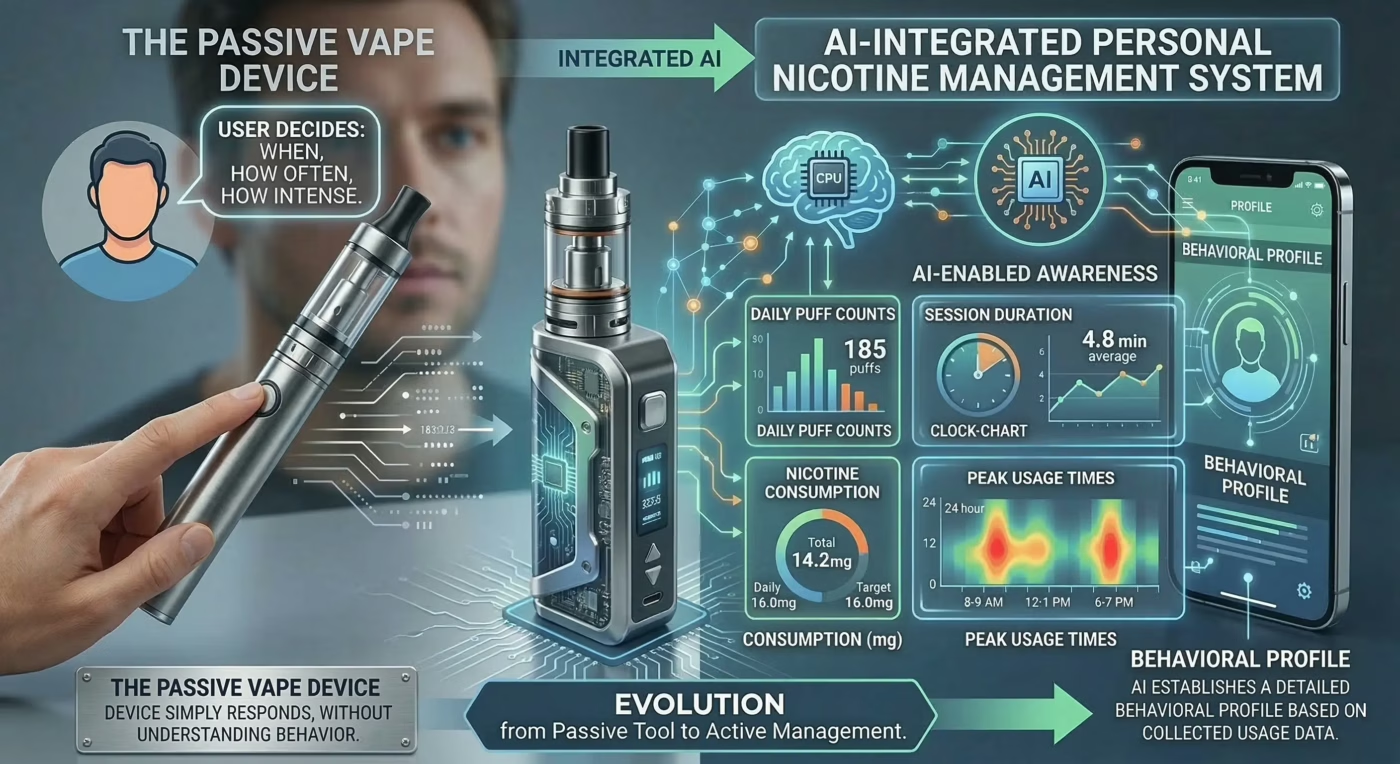
Today’s vape devices function primarily as passive tools. Users decide when to vape, how often to vape, and how intensely to inhale. The device simply responds to user input without understanding behavior patterns.
With AI integration, however, the device could evolve into something much more sophisticated: a personal nicotine management system.
1. Behavioral Awareness
AI-enabled devices could analyze vaping behavior by collecting usage data such as:
- Daily puff counts
- Session duration
- Nicotine consumption levels
- Peak usage times
Over time, the device could build a behavioral profile of the user’s nicotine habits. Instead of random usage patterns, vaping behavior could become measurable and analyzable.
2. Intelligent Output Adjustment
Based on these behavioral insights, AI systems could dynamically adjust device performance parameters, including:
- Power output
- Atomization temperature
- Nicotine delivery intensity
For example, the device might increase satisfaction levels in the morning while reducing stimulation during evening hours. This would transform vaping from a static device experience into a dynamic nicotine control system.
3. Behavioral Feedback
AI could also introduce real-time feedback similar to modern health applications:
- “Nicotine intake today is higher than usual.”
- “Usage frequency has increased.”
- “Consider lowering nicotine concentration.”
This type of interaction would transform vape devices from simple consumption products into tools for behavior awareness and habit management.
The Rise of “Digital Personality” in Vape Devices
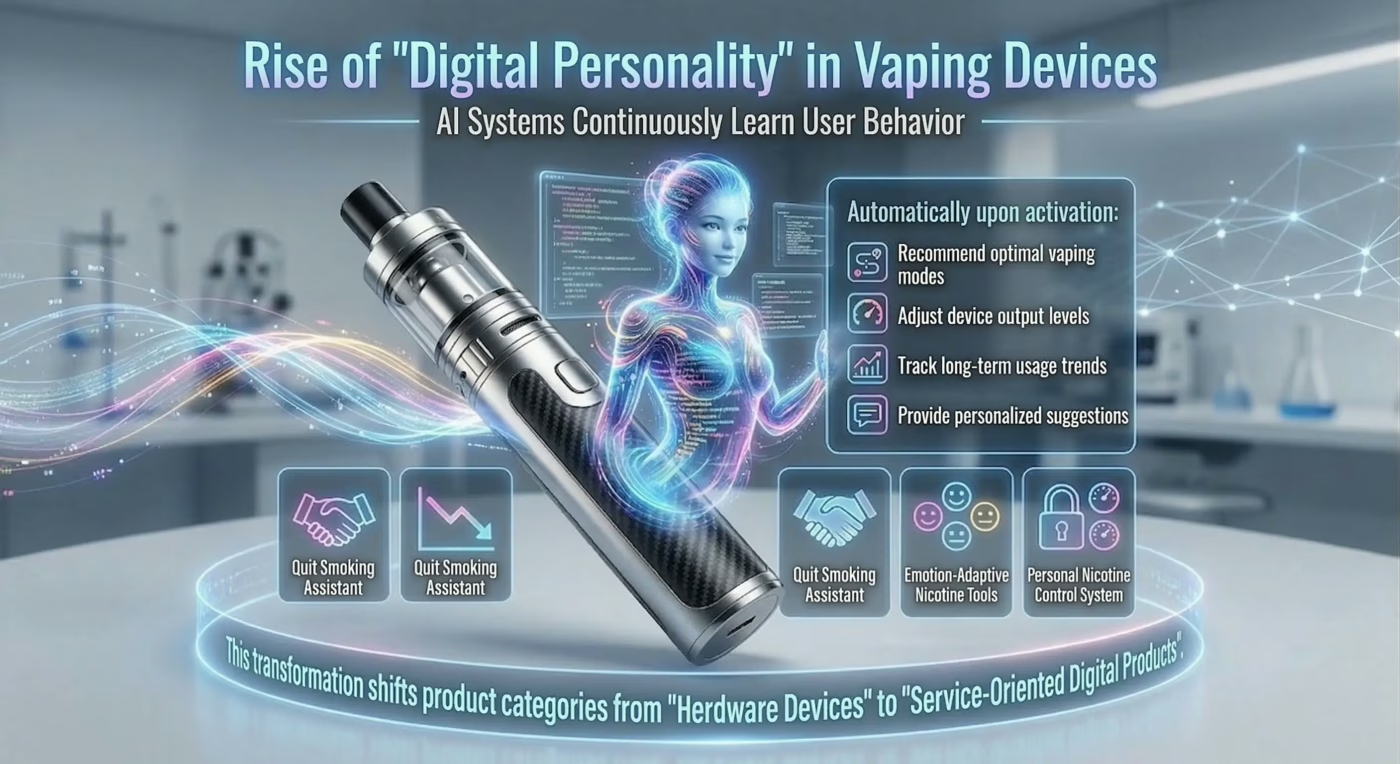
As AI systems continuously learn from user behavior, vape devices could gradually develop what might be described as a digital personality.
When users activate their devices, AI systems could automatically:
- Recommend optimal vaping modes
- Adjust device output levels
- Track long-term usage trends
- Provide personalized suggestions
In the future, vape devices could evolve into multifunctional companions that act as:
- Smoking reduction assistants
- Mood-adaptive nicotine tools
- Personal nicotine control systems
This transformation would shift the product category from hardware-focused devices to service-oriented digital products.
A New Competitive Layer: Software and Data
Traditionally, vape industry competition has centered around hardware engineering, atomization efficiency, and flavor innovation. But AI integration introduces a new competitive layer: software intelligence.
1. Data Capability
Companies that collect and analyze user behavior data will gain stronger product development advantages. Behavioral insights could become a critical strategic asset.
2. AI Model Differentiation
Different companies could train AI systems with different product philosophies:
- Health-focused AI designed to help reduce nicotine consumption
- Satisfaction-focused AI designed to optimize the vaping experience
- Transition-focused AI designed to assist smoking cessation
This could lead to algorithm-based product differentiation across brands.
3. Ecosystem Development
In the long term, the industry may begin building broader digital infrastructure, including:
- AI-powered vape operating systems
- Cloud-connected device platforms
- User behavior data networks
At this stage, vape companies may start transforming into nicotine technology companies rather than traditional hardware manufacturers.
Regulatory Implications
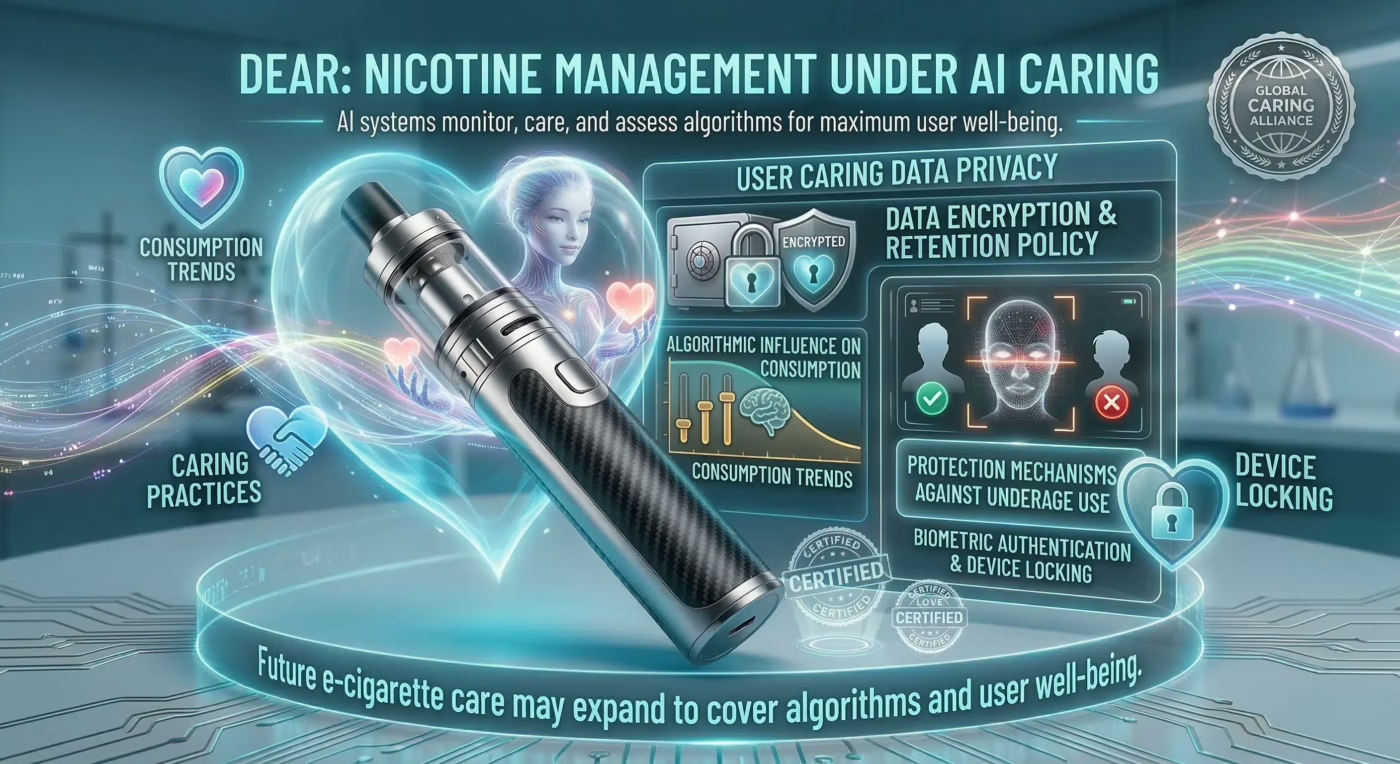
The integration of AI into nicotine devices would also introduce new regulatory questions. Governments and health authorities may need to evaluate not only product safety but also the role of algorithms and data collection.
Key regulatory concerns could include:
- User data privacy and storage practices
- Algorithmic influence on nicotine consumption
- Protection mechanisms against underage usage
Future vape regulations may therefore expand beyond physical product standards to include oversight of digital systems and algorithms.
The Next Stage of the Vape Industry
Looking at the historical development of vaping technology, the industry can roughly be divided into three stages:
- The Replacement Era: E-cigarettes emerged as alternatives to traditional cigarettes.
- The Consumer Electronics Era: Devices evolved with better hardware, improved coils, and larger batteries.
- The Intelligent Device Era: AI enables devices to understand and adapt to user behavior.
If AI becomes integrated into vaping technology, the nature of the product may fundamentally change. Vape devices could evolve from simple atomization tools into personal nicotine management terminals.
Conclusion
Many people believe artificial intelligence will primarily reshape the internet industry. In reality, AI may have an even greater impact on physical consumer electronics.
When devices begin to understand human behavior, the boundary between product and service disappears. If AI agents enter the vaping ecosystem, e-cigarettes could evolve from simple nicotine devices into intelligent systems capable of understanding and adapting to user habits.
Such a transformation could represent the next major technological revolution in the vaping industry.
Schreibe einen Kommentar
Du musst angemeldet sein, um einen Kommentar abzugeben.