


NOTICIAS
Global E-Cigarette Market Trends and Analysis (July 2024)
Ago
| Heading | Subheadings |
|---|---|
| Introduction | Overview of the E-Cigarette Market |
| Market Size and Growth Rate | Current Market Size Historical Growth Trends Future Market Projections |
| Product Segmentation | Overview of E-Cigarette Products Rechargeable Devices Disposable Devices Modular Devices Flavored E-Cigarettes |
| Regional Analysis | Overview of Regional Markets North America Europe Asia-Pacific Latin America Middle East and Africa |
| Distribution Channels | Retail Stores Online Sales Wholesale Distributors |
| Market Dynamics | Key Market Drivers Market Restraints Opportunities for Growth Regulatory Landscape |
| Competitive Landscape | Major Players in the Market Market Share Analysis Recent Developments Strategic Initiatives |
| Technological Advancements | Innovations in E-Cigarette Technology Impact of Technology on Market Growth |
| Consumer Behavior and Preferences | Demographic Analysis Consumer Preferences and Trends |
| Health and Safety Considerations | Health Impacts of E-Cigarettes Regulatory and Safety Standards |
| Impact of COVID-19 | Effects on Supply Chain Changes in Consumer Behavior Market Recovery Post-Pandemic |
| Sustainability and Environmental Impact | Environmental Concerns Efforts Towards Sustainability |
| Future Outlook | Predictions for the E-Cigarette Market Emerging Trends Potential Challenges |
| Conclusion | Summary of Key Points Final Thoughts |
Introduction
The e-cigarette market has seen exponential growth in recent years, driven by increasing awareness of the health risks associated with traditional smoking and a shift towards healthier alternatives. This comprehensive analysis of the global e-cigarette market for July 2024 delves into the current trends, market size, product segmentation, regional analysis, distribution channels, market dynamics, and more.
Market Size and Growth Rate
Current Market Size
The global e-cigarette market, valued at $28.17 billion in 2023, is witnessing rapid growth. This surge is attributed to the rising demand for alternative smoking options and advancements in e-cigarette technology.
Historical Growth Trends
Over the past decade, the e-cigarette market has grown significantly. Initial growth was fueled by the introduction of e-cigarettes as a novel smoking alternative, appealing to both smokers and non-smokers.
Future Market Projections
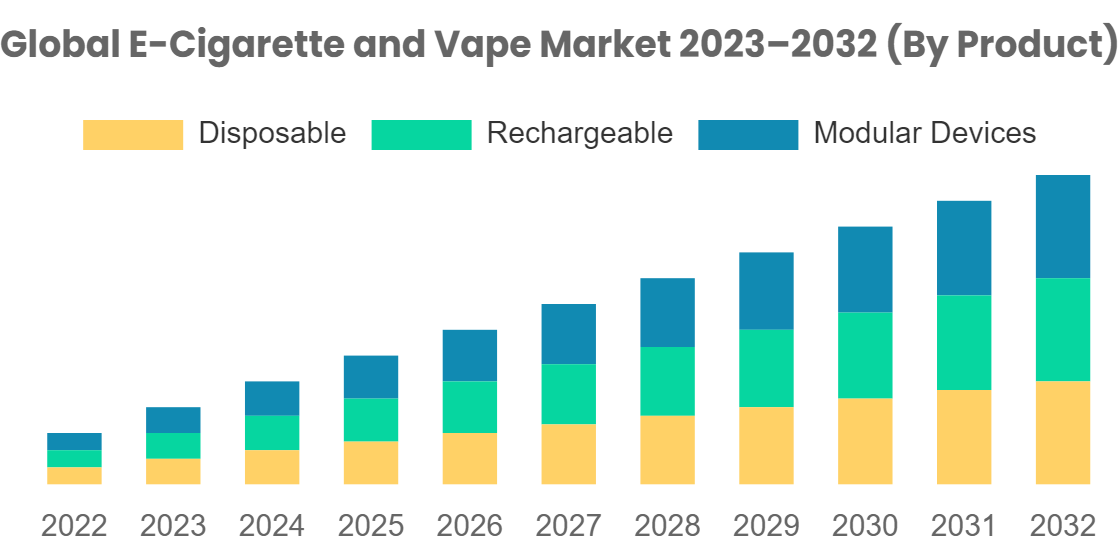
Looking ahead, the market is projected to reach $182.84 billion by 2030, growing at a compound annual growth rate (CAGR) of 30.6%. This robust growth is expected to continue, driven by continuous product innovations and increasing health consciousness among consumers.
Product Segmentation
Overview of E-Cigarette Products
The e-cigarette market offers a variety of products catering to different consumer preferences. These include rechargeable devices, disposable devices, modular devices, and flavored e-cigarettes.

Rechargeable Devices
Rechargeable e-cigarettes are popular due to their cost-effectiveness and sustainability. These devices can be reused multiple times, offering adjustable settings that allow users to customize their vaping experience.(Custom Market Insights)。
Disposable Devices
Disposable e-cigarettes are gaining traction, particularly among new users. They offer convenience without the need for maintenance or setup, making them an attractive option for those new to vaping.(Custom Market Insights)。
Modular Devices
Modular devices, or mods, provide advanced users with the ability to customize their devices. These products are popular among enthusiasts who seek a personalized vaping experience.
Flavored E-Cigarettes
Flavored e-cigarettes continue to be a significant segment of the market. They appeal to a broad range of users, particularly younger consumers, due to the variety of flavors available.
Regional Analysis
Overview of Regional Markets
The global e-cigarette market is diverse, with significant variations across different regions. North America, Europe, Asia-Pacific, Latin America, and the Middle East and Africa each have unique market dynamics.
North America
North America holds the largest market share, driven by a large consumer base and substantial investments from key players. The United States is a major contributor, with innovative products and marketing strategies playing a pivotal role.
Europe
Europe is expected to exhibit a high CAGR due to stringent regulations on traditional cigarettes and growing acceptance of e-cigarettes. Countries like the UK, Germany, and France are key markets in this region.
Asia-Pacific
The Asia-Pacific region is predicted to register the fastest growth rate, driven by a rising youth population and increased awareness of alternatives to traditional smoking. Major markets include India and China.
Latin America
In Latin America, increasing disposable incomes and the growing awareness of smoking alternatives are driving market growth. Brazil and Mexico are leading contributors to this regional market.
Middle East and Africa
The Middle East and Africa region is experiencing steady growth, with increasing government support for smoking alternatives and rising health awareness among consumers.
Distribution Channels

Retail Stores
Retail stores dominate the e-cigarette distribution market, providing consumers with the opportunity to try products before purchasing. These stores often serve as community hubs for vaping enthusiasts.
Online Sales
Online platforms are gaining prominence due to competitive prices and convenience. They offer a wide range of products, driving significant growth in this segment.
Wholesale Distributors
Wholesale distributors play a crucial role in the supply chain, ensuring that products reach retail stores and online platforms efficiently.
Market Dynamics
Key Market Drivers
Several factors are driving the growth of the e-cigarette market, including rising health awareness, technological advancements, and the availability of a wide range of products.
Market Restraints
Despite the rapid growth, the market faces challenges such as regulatory scrutiny and health concerns about vaping, particularly among youth.
Opportunities for Growth
Opportunities for growth include expanding into new markets, developing innovative products, and increasing consumer education about the benefits of e-cigarettes.
Regulatory Landscape
Regulations play a significant role in shaping the market. Different regions have varying regulatory frameworks, influencing market dynamics and growth potential.
Competitive Landscape
Major Players in the Market
The e-cigarette market is highly competitive, with major players including Imperial Brands, Altria, and JUUL Labs. These companies dominate the market through extensive product portfolios and strategic initiatives.
Market Share Analysis
A detailed market share analysis reveals the dominance of key players and the competitive nature of the market. Continuous innovation and strategic partnerships are crucial for maintaining market leadership.
Recent Developments
Recent developments in the market include product launches, mergers and acquisitions, and strategic partnerships aimed at expanding market presence and enhancing product offerings.
Strategic Initiatives
Companies are focusing on developing new, reduced-risk products and expanding their portfolios through acquisitions and partnerships.
Technological Advancements
Innovations in E-Cigarette Technology
Technological advancements are driving market growth. Innovations include improved battery life, enhanced flavor delivery, and user-friendly designs.
Impact of Technology on Market Growth
Technology plays a crucial role in market growth, making e-cigarettes more appealing and accessible to a broader range of consumers.
Consumer Behavior and Preferences
Demographic Analysis
Understanding the demographics of e-cigarette users is essential for market analysis. The market attracts a diverse range of consumers, from young adults to older smokers seeking alternatives.
Consumer Preferences and Trends
Consumer preferences are evolving, with a growing demand for customizable and flavored e-cigarettes. Trends indicate a shift towards more sophisticated devices and healthier options.
Health and Safety Considerations
Health Impacts of E-Cigarettes
The health impacts of e-cigarettes remain a topic of debate. While they are considered a safer alternative to traditional smoking, concerns about their long-term effects persist.
Regulatory and Safety Standards
Ensuring regulatory compliance and adhering to safety standards is crucial for market growth. Different regions have varying regulations, affecting market dynamics.
Impact of COVID-19
Effects on Supply Chain
The COVID-19 pandemic disrupted the supply chain, causing challenges for manufacturers and distributors. However, the market has shown resilience and is recovering.
Changes in Consumer Behavior
The pandemic influenced consumer behavior, with a shift towards online sales and increased interest in health and wellness products.
Market Recovery Post-Pandemic
Post-pandemic, the market is expected to recover and continue its growth trajectory, driven by ongoing demand and product innovations.
Sustainability and Environmental Impact
Environmental Concerns
Environmental concerns related to e-cigarettes include waste disposal and the environmental impact of manufacturing processes.
Efforts Towards Sustainability
Efforts towards sustainability include developing eco-friendly products and implementing recycling programs to reduce environmental impact.
Future Outlook
Predictions for the E-Cigarette Market
The future of the e-cigarette market looks promising, with continued growth expected. Innovations and regulatory changes will shape the market landscape.
Emerging Trends
Emerging trends include the rise of disposable devices, the popularity of flavored e-cigarettes, and the development of new technologies.
Potential Challenges
Challenges include regulatory hurdles, health concerns, and competition from traditional smoking alternatives.
Conclusion
Summary of Key Points
The global e-cigarette market is poised for significant growth, driven by technological advancements, increasing health awareness, and evolving consumer preferences. Key regions such as North America, Europe, and Asia-Pacific will continue to play pivotal roles in market dynamics.
Final Thoughts
As the market evolves, staying ahead of trends and adapting to regulatory changes will be crucial for success. The future of the e-cigarette market is bright, with ample opportunities for innovation and growth.
FAQs
What is the projected growth rate of the global e-cigarette market?
The global e-cigarette market is projected to grow at a compound annual growth rate (CAGR) of 30.6% from 2023 to 2030.
Which region holds the largest market share in the e-cigarette market?
North America holds the largest market share in the e-cigarette market.
What are the main types of e-cigarette products?
The main types of e-cigarette products include rechargeable devices, disposable devices, modular devices, and flavored e-cigarettes.
What are the key drivers of the e-cigarette market?
Key drivers of the e-cigarette market include rising health awareness, technological advancements, and the availability of a wide range of products.
How has COVID-19 impacted the e-cigarette market?
COVID-19 disrupted the supply chain and influenced consumer behavior, leading to a shift towards online sales and increased interest in health and wellness products.
What are the major challenges facing the e-cigarette market?
Major challenges facing the e-cigarette market include regulatory scrutiny, health concerns, and competition from traditional smoking alternatives.